
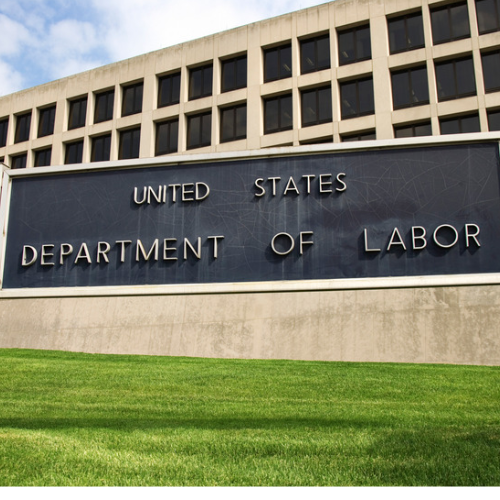
Department of Labor Proposes Significant Changes to PERM Labor Certification Requirements
The U.S. Department of Labor (DOL) has proposed substantial changes to the PERM labor certification process used by employers sponsoring foreign nationals for employment-based permanent residence.
Published in the Federal Register on November 17, 2026, the proposal would expand recruitment requirements, introduce significant restrictions involving employer layoffs, eliminate Schedule A exemptions, and impose additional compliance and reporting obligations on employers and their representatives.
These changes are proposed only and are not currently in effect.
Key Proposed Changes to PERM Labor Certification
Expanded Recruitment Requirements
The proposal would replace traditional newspaper advertising requirements with expanded recruitment methods, including employer websites, online job boards, social media, job fairs, and campus recruitment.
Employers would generally be required to advertise positions for at least 90 calendar days, potentially extending recruitment timelines and increasing administrative requirements.
New Restrictions on Employers Conducting Layoffs
One of the most significant proposed changes involves employers that have laid off U.S. workers.
Under current PERM regulations, employers that have conducted layoffs involving the same or related occupations in the area of intended employment within six months before filing must undertake additional steps to consider potentially qualified laid-off U.S. workers.
The proposal would introduce a two-year lookback period and could make employers ineligible for labor certification where they have laid off U.S. workers in the same or similar occupations at the relevant places of employment.
It would also introduce continuing obligations to report qualifying layoffs after filing and, where applicable, during the related I-140 petition process, including requirements concerning consideration of affected U.S. workers.
These changes could have substantial implications for employers undergoing restructuring or workforce reductions, even where they continue to experience difficulty filling other specialized positions.
Elimination of Schedule A Exemptions
Perhaps the most perplexing proposal would be to eliminate Schedule A, which currently allows certain occupations, including professional nurses and physical therapists, to bypass the standard PERM recruitment and labor certification process. The chronic lack of nurses in the U.S. has been well-documented, despite the DOL contentions that it lacks the appropriate way in which to determine whether there is an actual shortage.
The proposal would also eliminate Schedule A provisions covering certain individuals of exceptional ability in the sciences and arts.
If finalized, employers sponsoring individuals in these categories would generally need to complete the standard PERM process before filing an I-140 immigrant petition.
Additional Notice, Documentation, and Compliance Requirements
The proposal would expand requirements for notifying U.S. workers of PERM job opportunities and impose additional recruitment documentation and recordkeeping obligations.
It would also establish new document-retention requirements for attorneys and employer agents and expand DOL’s authority to investigate and sanction representatives for misconduct independently of employer violations.
Additional proposed changes would affect special-handling labor certification procedures for college and university teachers.
What Employers Should Know
If finalized, the proposed changes could significantly increase the time, cost, and administrative burden associated with employment-based permanent residence sponsorship.
The expanded layoff restrictions are particularly important for employers managing workforce reductions while continuing to recruit for specialized positions. Employers with substantial PERM sponsorship programs may also face increased recruitment, reporting, and documentation obligations.
For now, existing PERM regulations remain in effect. Employers should continue following current procedures while monitoring the rulemaking process.
DOL is accepting public comments through January 19, 2027, and the proposed requirements may change before any final rule is issued.